A stroke can change daily life in an instant. After hospitalization, many seniors return home with new physical, cognitive, or emotional challenges that require ongoing attention. The period immediately following discharge is often the most vulnerable time. A structured hospital to home transition care plan helps seniors adjust safely, continue recovery, and regain confidence within the comfort of their own home.
Why the Transition Home After a Stroke Matters So Much
Leaving the hospital does not mean recovery is complete. In many cases, it marks the beginning of a new phase that requires consistency, patience, and support.
During this time, seniors may face:
- Limited mobility or weakness
- Changes in speech or memory
- Fatigue and reduced endurance
Without proper support, these challenges can make daily routines difficult and increase the risk of setbacks. A smooth transition helps bridge the gap between hospital care and independent living.
Common Challenges Seniors Face After Returning Home
The home environment, while familiar, is not always prepared for the needs that follow a stroke. Tasks that once felt simple may now require effort or assistance.
Common difficulties include:
- Moving safely between rooms
- Managing medications and schedules
- Preparing meals or maintaining nutrition
These challenges can lead to frustration and, in some cases, delayed recovery if not addressed early.
The Risk of Readmission Without Proper Support
One of the greatest concerns after a stroke is the possibility of returning to the hospital. Complications can arise when care instructions are misunderstood or when daily routines are not properly supported.
Missed medications, poor nutrition, or falls can all contribute to setbacks. A well-supported hospital to home transition care reduces these risks by reinforcing care plans and maintaining consistency.
How Structured Support Improves Recovery Outcomes
Recovery after a stroke depends on repetition, routine, and gradual progress. Support at home helps seniors stay on track with daily activities that contribute to healing.
Consistent care encourages:
- Adherence to medication schedules
- Safe mobility practices
- Regular meals and hydration
These elements work together to support both physical and cognitive recovery.
Assistance With Daily Activities During Recovery
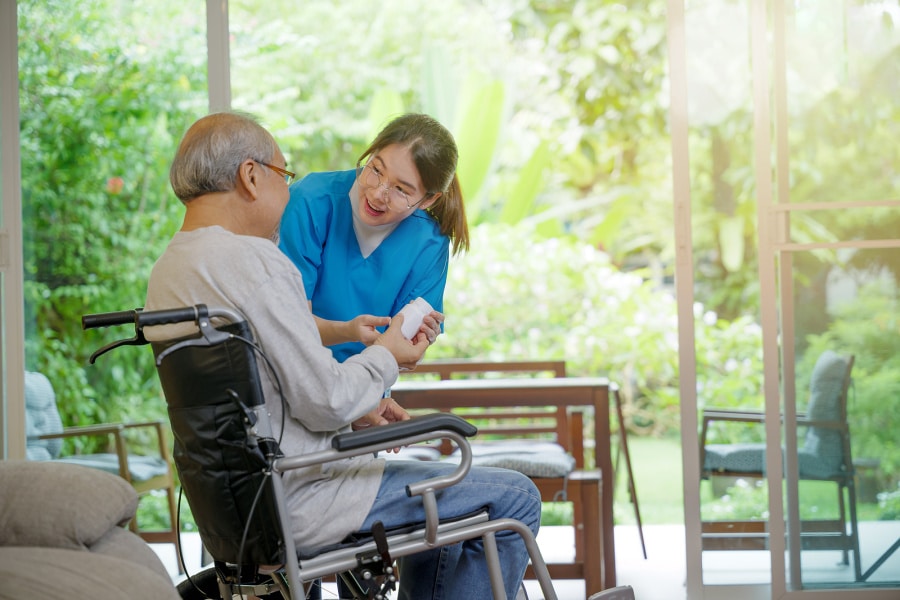
After a stroke, even basic activities may require extra time or support. Tasks such as bathing, dressing, or preparing meals can feel overwhelming.
Care professionals assist while encouraging participation at a comfortable level. This balance allows seniors to remain involved in their routines without becoming discouraged. Maintaining involvement helps rebuild confidence over time.
Supporting Safe Movement and Fall Prevention
Mobility changes are common after a stroke. Weakness on one side of the body, balance issues, or fatigue can increase fall risk.
Support during the hospital to home transition care includes guidance with walking, transferring, and navigating the home safely. Having someone present reduces uncertainty and helps prevent injuries.
The Importance of Routine in Stroke Recovery
Routine creates structure that supports both physical and mental recovery. Predictable schedules help seniors understand what to expect each day, reducing confusion and stress.
Daily routines may include set times for meals, rest, hygiene, and light activity. Consistency allows seniors to build strength gradually without feeling overwhelmed.
Emotional Support During the Adjustment Period
Recovery is not only physical. Emotional responses after a stroke can include frustration, anxiety, or sadness. Seniors may feel discouraged by changes in their abilities.
Support at home helps reduce:
- Feelings of isolation
- Anxiety about completing tasks
- Frustration during recovery
Encouragement and steady presence create a more positive environment for healing.
Helping Seniors Regain Confidence
Confidence often decreases after a stroke, especially if mobility or independence is affected. Small successes play a major role in rebuilding that confidence.
Care professionals support progress by:
- Encouraging participation in daily tasks
- Allowing extra time for completion
- Recognizing improvements, no matter how small
This approach helps seniors feel capable rather than dependent.
The Role of Clear Communication and Observation
Recovery needs can change from day to day. Ongoing observation helps identify new challenges or improvements.
Care professionals monitor:
- Changes in strength or mobility
- Shifts in appetite or energy levels
- Progress with daily routines
Sharing these observations helps families stay informed and supports timely adjustments.
How Families Benefit From a Supported Transition
Families often feel uncertain about how to provide the level of care needed after a stroke. The transition home can feel overwhelming without guidance.
Structured support provides reassurance by ensuring that daily needs are addressed consistently. Families can remain involved while knowing their loved one has reliable assistance.
When Additional Support Becomes Necessary
The need for support may become clear if a senior struggles with mobility, forgets medications, or shows signs of fatigue that interfere with daily life. Early support often leads to better outcomes and reduces stress for both seniors and their families.
Pansy Homecare assists the hospital to home transition care, helping seniors adjust safely while maintaining comfort and familiarity at home.

A Steady Path Toward Recovery at Home
Recovery after a stroke takes time, patience, and consistent support. The transition from hospital to home sets the tone for this process.
With thoughtful care and structured routines, seniors can continue progressing in an environment that feels secure and familiar. The hospital to home transition care helps transform uncertainty into stability, allowing seniors to focus on rebuilding strength and confidence each day.
If you or an aging loved one is considering Hospital to Home Transition Care Services in Guilford, CT, contact the professional home care team at Pansy Homecare. Call us today: (860) 212-6433