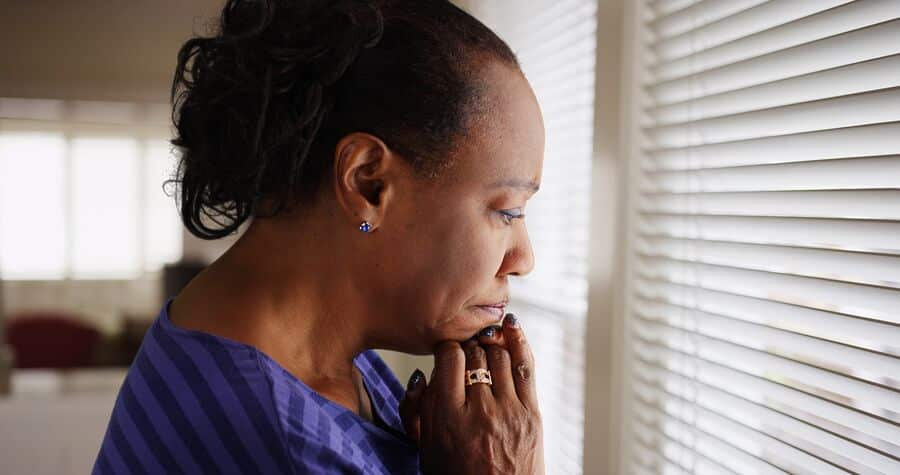
Living alone can represent freedom, privacy, and routine for many seniors. For those experiencing memory changes, however, living alone can also introduce quiet risks that grow over time. Missed meals, forgotten medications, and confusion with daily tasks may happen gradually, making them harder to spot. In-home memory care services offer structured support that allows seniors to remain in familiar surroundings while receiving the consistency and reassurance they need.
Why Memory Changes Are Harder to Manage When Living Alone
Memory loss affects daily life in ways that go far beyond forgetfulness. When a senior lives alone, there is no one present to notice missed steps in routines or to offer gentle reminders.
Living alone may lead to:
- Inconsistent meals and hydration
- Missed or repeated medications
- Difficulty responding to unexpected situations
Without regular support, these challenges can quietly build until safety becomes a concern.
Early Signs Families Often Notice First
Memory-related changes often appear in patterns rather than isolated moments. Families may sense something is wrong long before a formal diagnosis is discussed.
Common early signs include repeated questions, forgotten appointments, or confusion with once-familiar tasks. A senior may appear capable during brief visits but struggle with consistency when alone. These changes can be easy to dismiss at first, especially if the senior remains conversational and socially aware.
How Living Alone Can Increase Emotional Strain
Memory changes often bring emotional responses that are just as impactful as practical challenges. Seniors may feel frustrated when they cannot remember steps in a routine or anxious when familiar tasks suddenly feel unfamiliar.
Living alone can intensify:
- Anxiety related to making mistakes
- Fear of appearing confused
- Withdrawal from social contact
Without reassurance from another person, these feelings may grow and affect overall well-being.
What In-Home Memory Care Is Designed to Address
In-home memory care focuses on creating structure while maintaining familiarity. Care is provided within the senior’s own home, which helps reduce confusion and supports emotional comfort.
Rather than taking over, care professionals offer steady guidance that reinforces routines and promotes confidence. This approach supports both safety and dignity while adapting to the senior’s changing needs.
The Importance of Familiar Routines
Routine plays a powerful role in memory support. Familiar schedules help seniors anticipate what comes next, reducing stress and uncertainty.
In-home memory care reinforces routines such as waking times, meals, hygiene, and rest. When daily rhythms remain predictable, seniors often feel calmer and more secure, even as memory challenges progress.
Daily Support That Helps Seniors Stay Independent
Memory changes can interfere with everyday tasks that once felt automatic. In-home memory care provides assistance that fills these gaps without removing independence entirely.
Support may include:
- Meal preparation and reminders to eat
- Medication reminders
- Supervision during tasks that pose safety risks
This steady presence allows seniors to remain involved in daily life while reducing preventable risks.
Safety Support Without Disrupting the Home Environment
Safety is a major concern for seniors living alone with memory challenges. Confusion can lead to unsafe situations, especially in kitchens, bathrooms, and entryways.
In-home memory care helps by providing supervision during activities that require judgment and awareness. Because support occurs in the home, adjustments feel less disruptive and more natural than sudden changes to living arrangements.
How Communication Style Matters
Memory care is not only about what support is provided but how it is delivered. Calm, respectful communication helps seniors feel supported rather than corrected.
Care professionals use gentle reminders and simple explanations. This approach reduces frustration and helps seniors maintain a sense of control over their day.
Emotional Reassurance Through Consistent Presence
One of the most valuable aspects of in-home memory care is emotional reassurance. Knowing someone is present provides comfort and reduces anxiety.
Consistent support helps seniors:
- Feel less isolated
- Gain confidence in daily routines
- Remain engaged with their surroundings
This emotional stability plays an important role in overall health and quality of life.
How Families Benefit From In-Home Memory Care
Families often struggle with balancing concern and respect for independence. In-home memory care offers reassurance without requiring constant oversight from loved ones.
Families gain peace of mind knowing someone is present to observe changes, reinforce routines, and provide updates when needed. This shared awareness helps families make informed decisions without feeling overwhelmed.
In-Home Memory Care Becomes the Right Choice
In-home memory care may be appropriate when memory changes begin to interfere with daily safety or consistency. Signs that additional support may be helpful include increasing confusion, missed meals, or concerns about medication use.
Introducing support earlier often helps seniors adjust more easily and maintain routines longer.
Supporting Dignity While Providing Structure
Maintaining dignity is central to memory care. In-home memory care respects personal preferences, habits, and routines while offering guidance where needed.
Care is shaped around the individual, allowing seniors to participate in daily activities at their own pace. This balance helps preserve self-esteem while addressing safety concerns.
Compassionate Support Within Familiar Walls
Remaining at home offers emotional comfort that cannot be replicated elsewhere. Familiar rooms, belongings, and neighborhood surroundings provide reassurance during times of confusion.
Pansy Homecare offers in-home memory care that supports seniors living alone through attentive presence, routine reinforcement, and respectful communication. This support helps seniors remain at home safely while easing concerns for families.

A Thoughtful Approach to Living Alone With Memory Changes
Memory loss does not mean independence must end. With consistent support and compassionate care, seniors living alone can continue to experience comfort, connection, and stability at home.
In-home memory care creates a bridge between independence and safety, allowing seniors to remain where they feel most secure while receiving the support they need.
If you or an aging loved one is considering In-Home Memory Care Services in Woodbridge, CT, contact the professional home care team at Pansy Homecare. Call us today: (860) 212-6433